
Sexual and reproductive health includes a range of issues that affect the health of women and men at all stages in their lives. Driven by women’s and human rights movements, there has been a shift in the international arena from primarily focusing on population control and safe motherhood towards more inclusive and rights-based approaches to sexual and reproductive health.
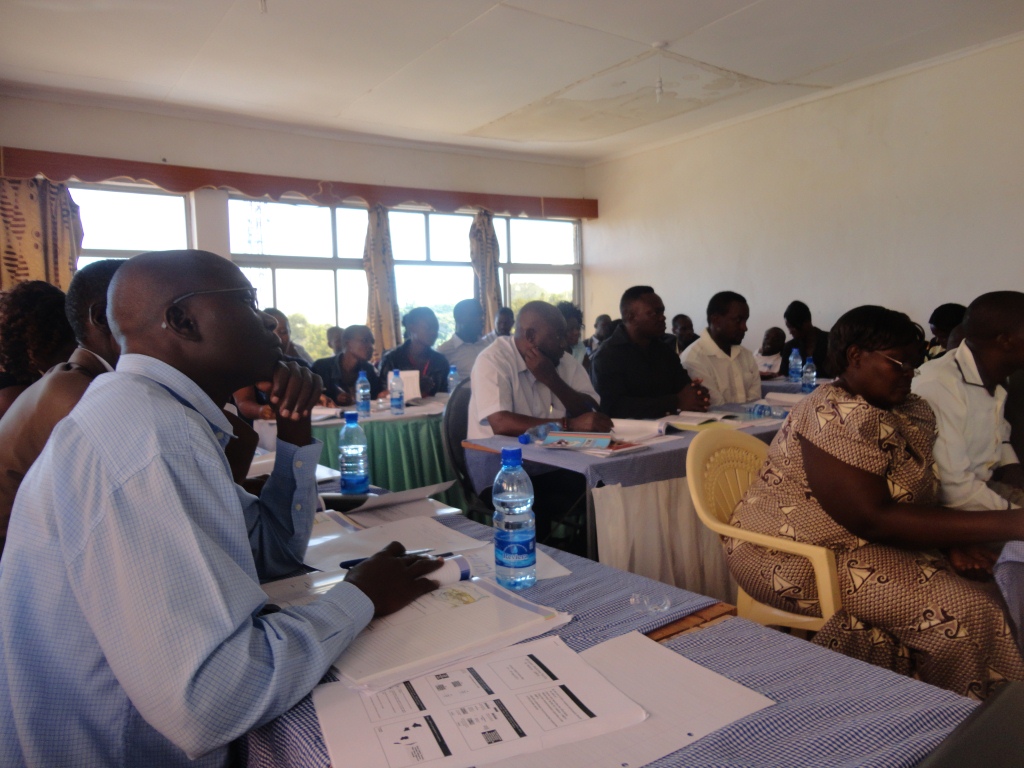
A two-week capacity-building course on HIV/AIDS and the world of work, offered by the Victorock Training Centre in Nairobi, Kenya, with a prevention and social protection perspective. The course aims to strengthen the capacity of planners and social actors to develop and implement workplace policies and programmes on HIV and AIDS that build on and benefit from the decent work approach, covering rights, prevention, employment issues, social protection aspects and social dialogue.
HIV/AIDS and the World of Work: A Prevention & Social Protection Perspective
Objectives
-
- At the end of the training, the participants will have increased knowledge and skills that will enable them:
- To understand the policy and legal environment for HIV/AIDS in the world of work, based on the principles of the ILO code of practice and the new international labour standard on HIV and AIDS and the world of work. This knowledge will enable participants to develop effective HIV and AIDS workplace policies at the national, sectoral and enterprise levels in their countries.
- To strengthen HIV prevention in the world of work, covering formal and informal economies, communities, engaging private sector and people living with HIV. This knowledge will enable participants to develop practical approaches for undertaking/expanding prevention programmes for workers in formal as well as informal economies.
- To apply social protection approaches/models and understand their importance in contributing to prevent HIV and mitigate its impact on people living with or affected by HIV. This knowledge will enable participants to apply social protection approaches for offering care, treatment, social security, and income support to people living with HIV or affected by HIV.
- The ITC-ILO learning approach is participate, competence-based, experiential, collaborative and it builds on existing experience and diversity.
Participants’ Profile
The course is designed for:
- Policy planners and advisers from relevant governmental structures such as: Ministries of Labour (officials dealing with occupational safety and health, HIV, vocational training, social health insurance, social security, labour administrators/inspectors etc.); Ministries of Health, National AIDS Commissions, Country Coordinating Mechanisms of the Global Fund, National Human Rights Commissions; other relevant ministries;
- Representatives of employers’ and workers’ organizations, business coalitions, public and private sector enterprises, and other non-governmental organizations;
- Planners, advisers and professionals dealing with social protection mechanisms;
- Representatives of multilateral/bilateral development agencies, UNAIDS, co-sponsors.
Languages: English